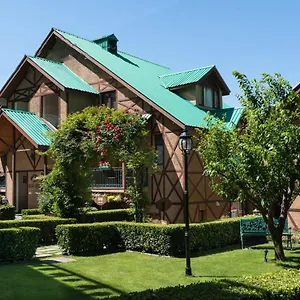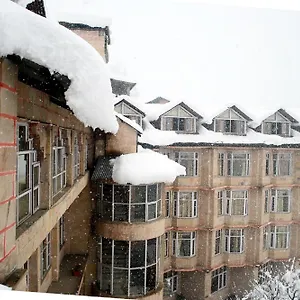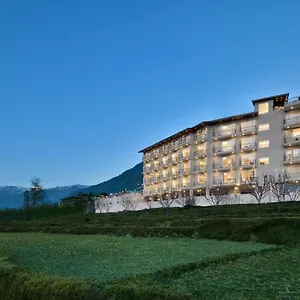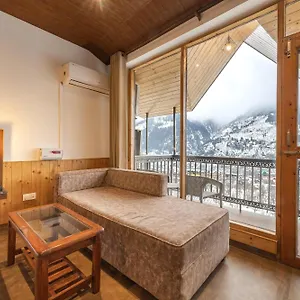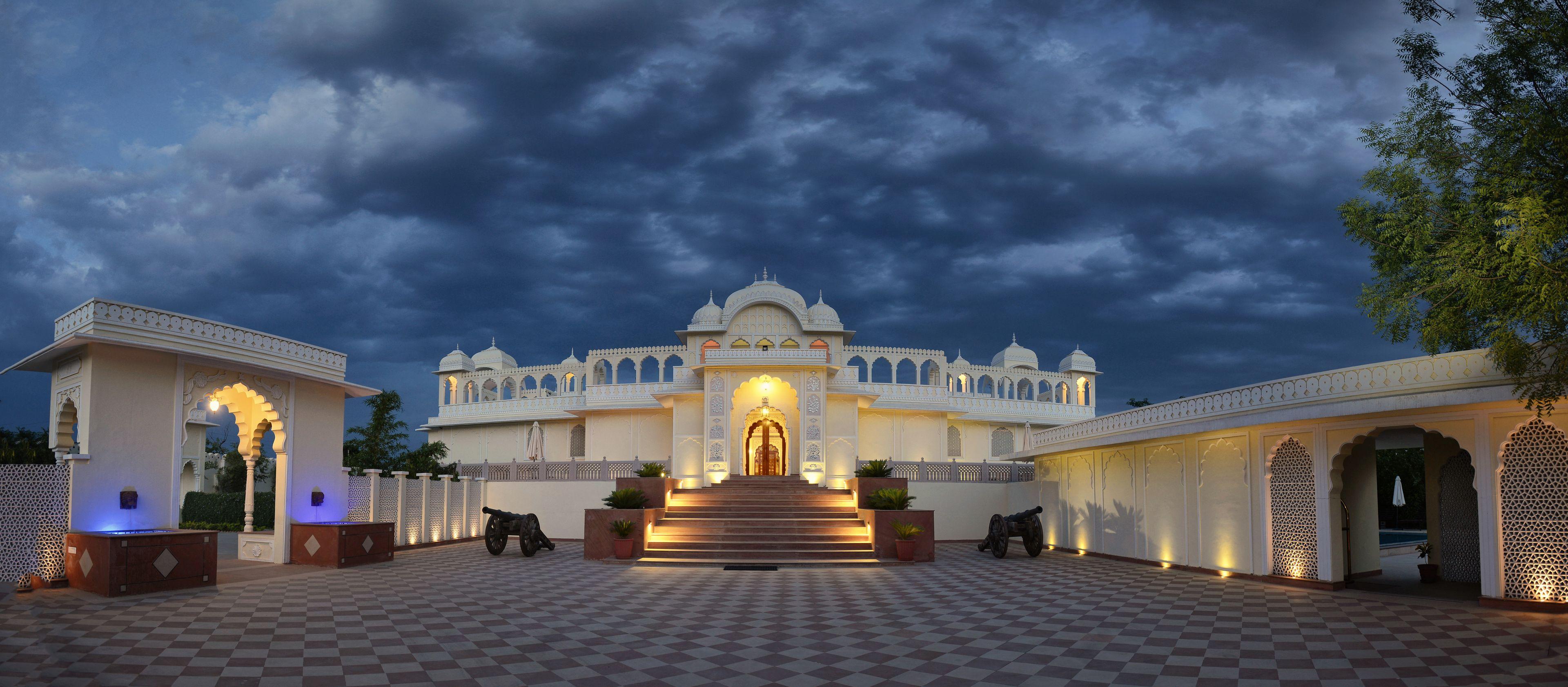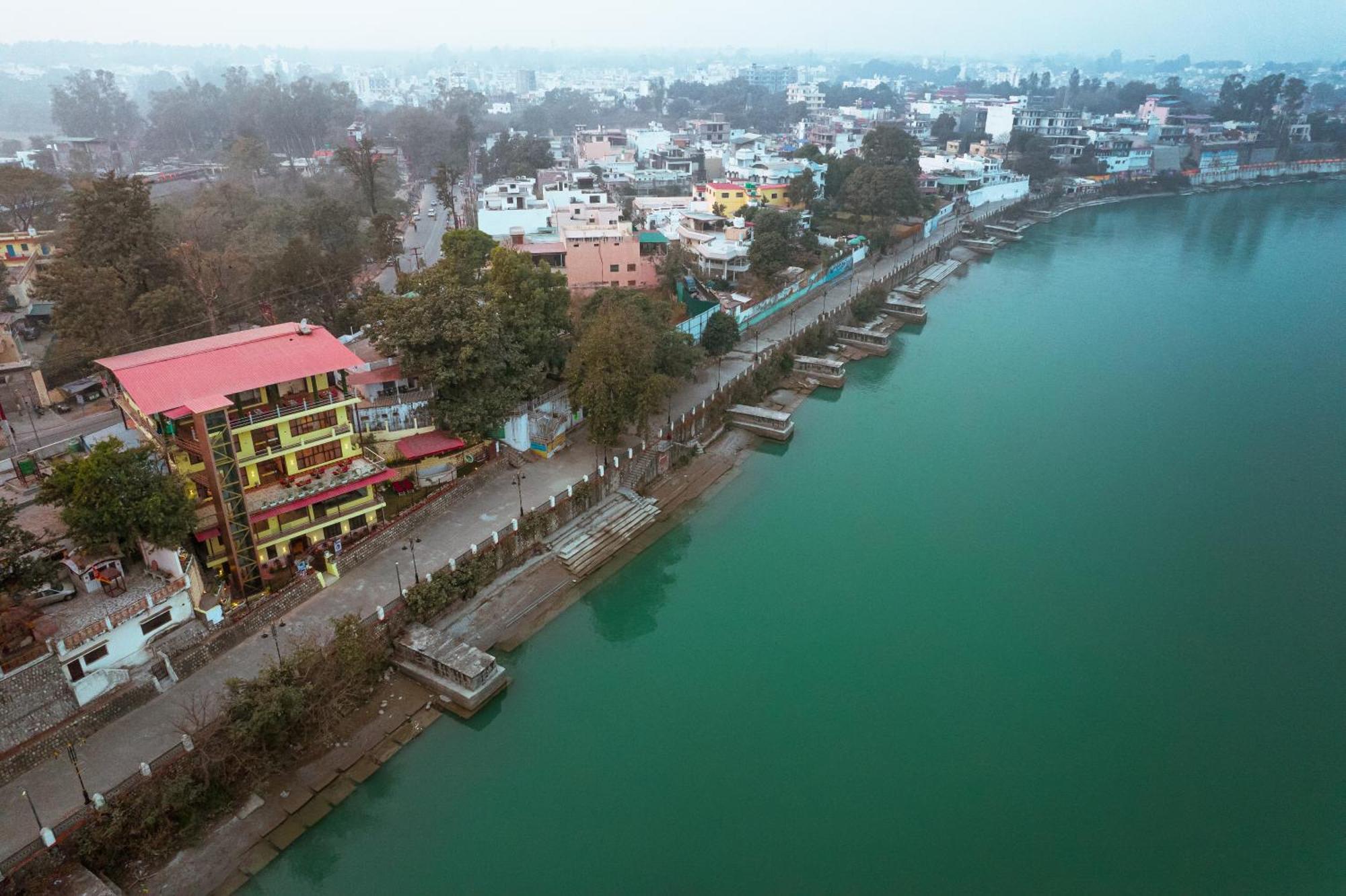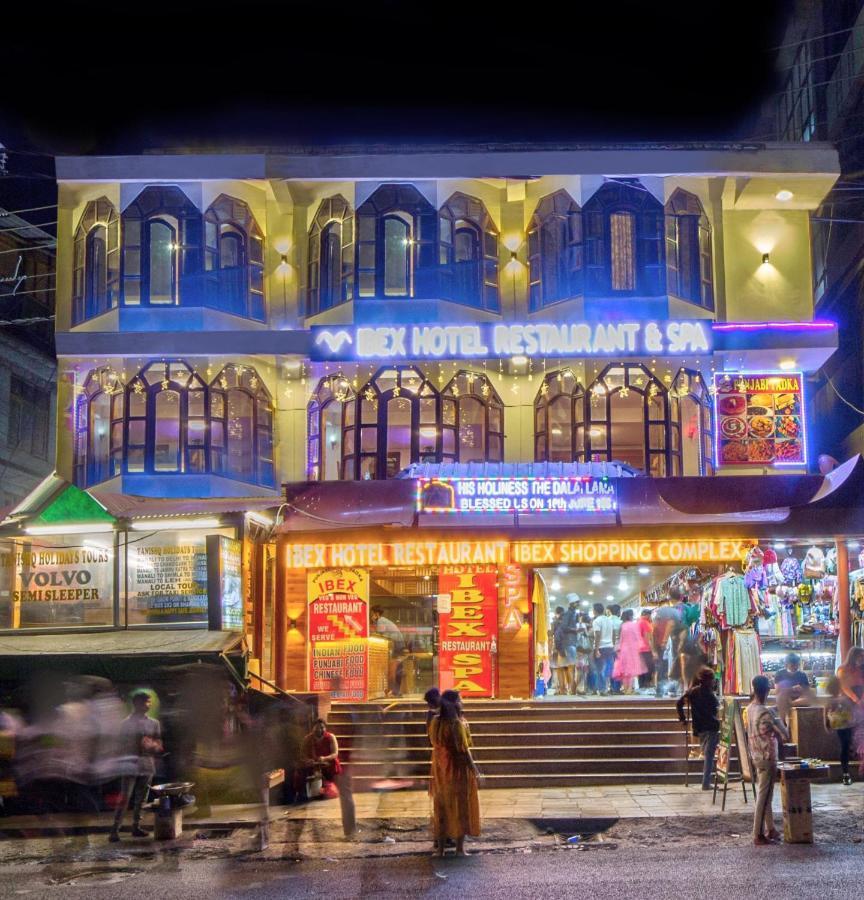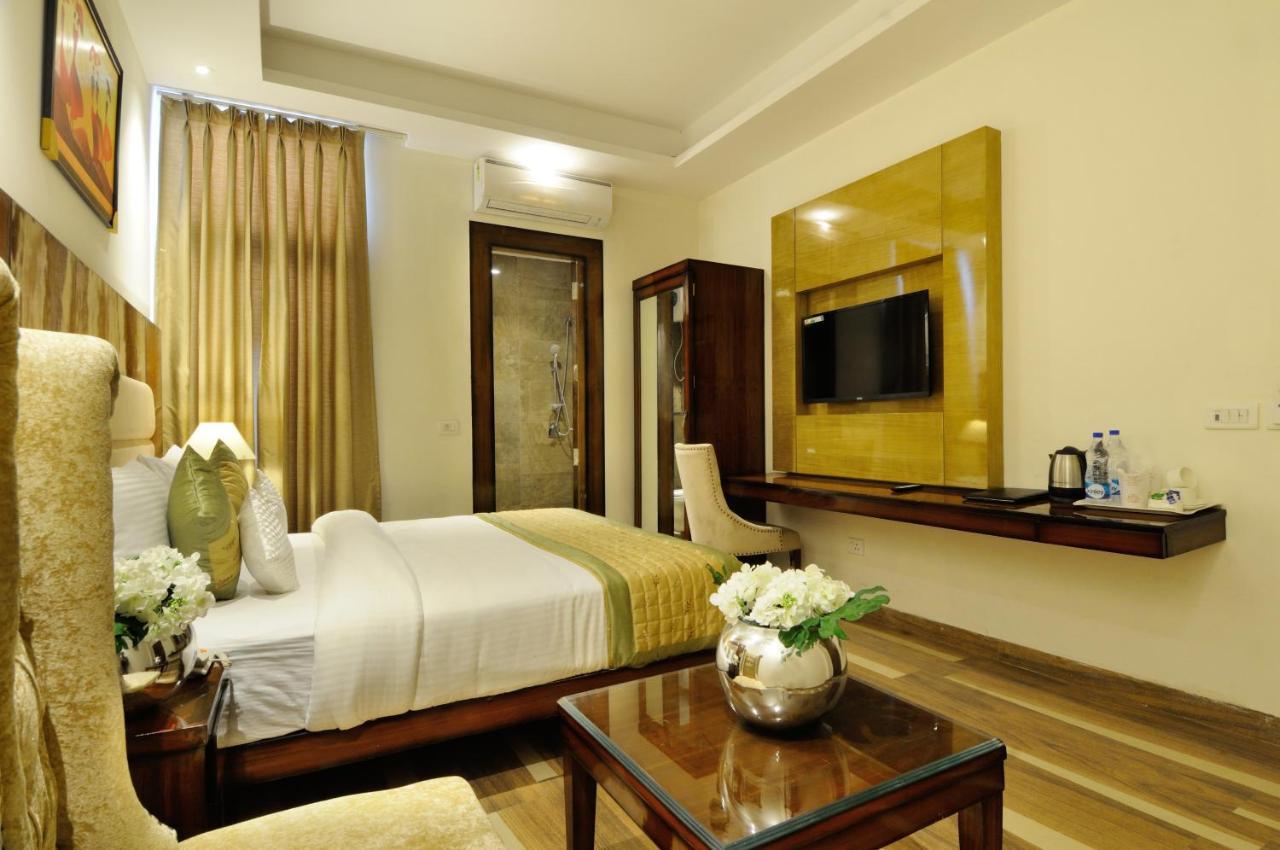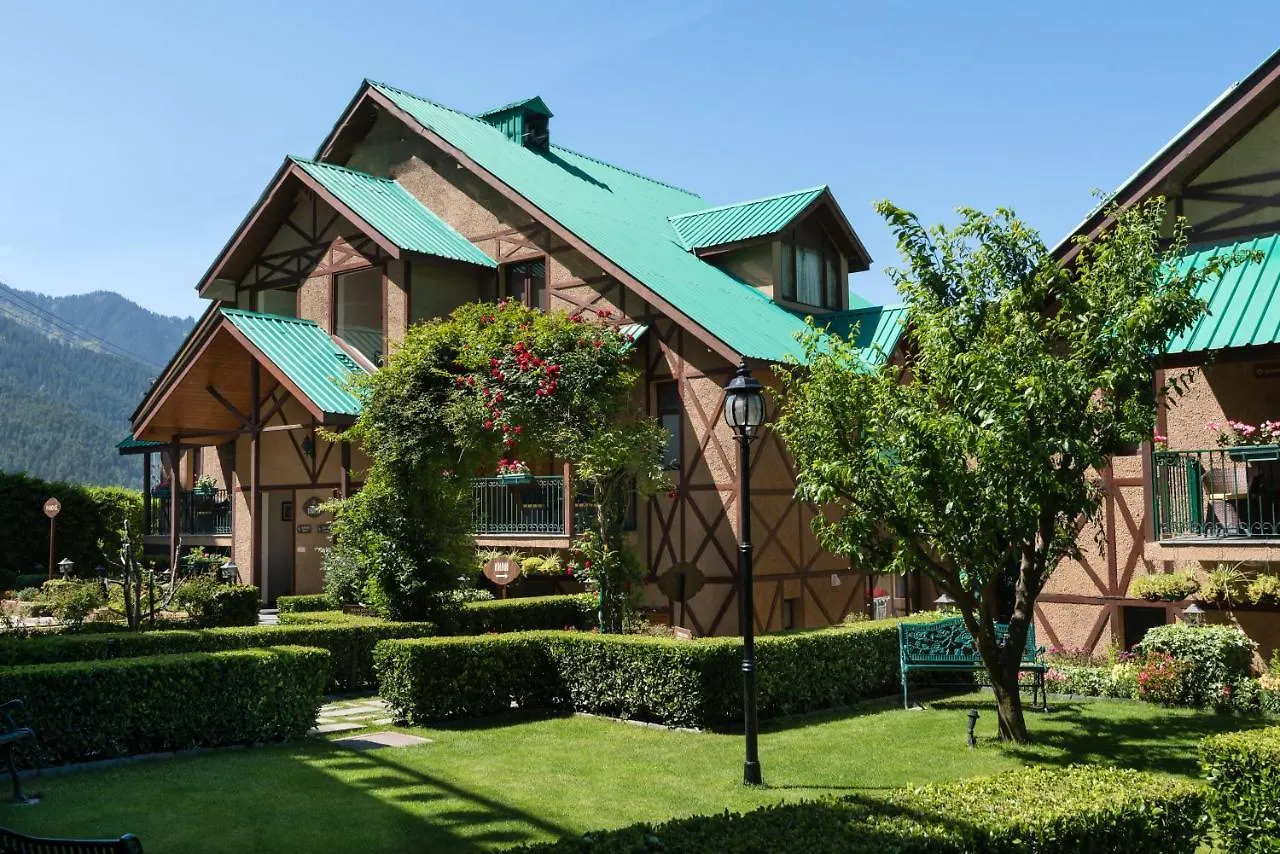
Manu Temple sits at the northern end of Old Manali, perched above the Beas River at around 2,050 metres, and the hotels clustered within a few kilometres of it sit in one of the most atmospheric pockets of the entire Kullu Valley. Staying near this landmark means you're close to the cobblestone lanes of Old Manali, the Manu Market, and the forested trails leading toward Jogini Waterfall - but it also means navigating narrow roads that taxis handle better than feet. For travellers who want to decompress after high-altitude trekking or long mountain drives, the spa hotels in this corridor offer genuine recovery infrastructure, not just a massage menu listed at the front desk.
What It's Like Staying Near Manu Temple
The area surrounding Manu Temple is part of Old Manali - a neighbourhood that feels distinctly different from the Mall Road commercial strip. Streets here are narrow, lined with apple orchards, guesthouses, and small Himalayan-style cafés. Most hotels within 6-7 km of the temple sit on hillside plots above the Beas River, which means valley views are common but gradient walking is inevitable. Auto-rickshaws and cabs are the practical option for most temple visits from mid-range and resort-style properties in this zone.
Crowd patterns shift sharply: Old Manali is busy from late May through July and again in October, when the temple draws both pilgrims and tourists. During these windows, the lanes near the temple itself get congested by mid-morning. Hotels a few kilometres out on the Naggar or Solang road axis offer a quieter base while still being within a short cab ride of the temple.
Pros:
- Direct access to Old Manali's trails, market, and riverside walks without crossing into the noisier Mall Road zone
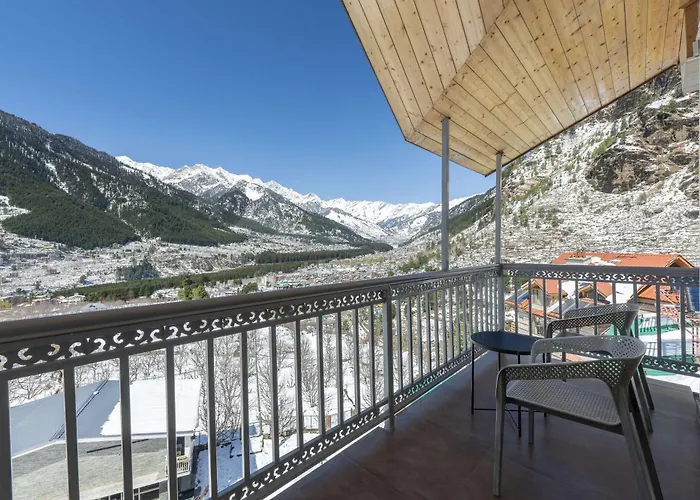
- Hillside hotel positioning typically means mountain and valley views from balconies and terraces
- The area is calm after 9 PM - significantly quieter than the Mall Road hotel belt
Cons:
- No walkable access to the temple from most hotels - a cab or auto is necessary for guests staying beyond 1.5 km uphill
- Road quality on some approach routes deteriorates during monsoon (July-August)
- Limited flat walking terrain - most movement involves steep inclines or vehicle use
Why Choose a Spa Hotel Near Manu Temple
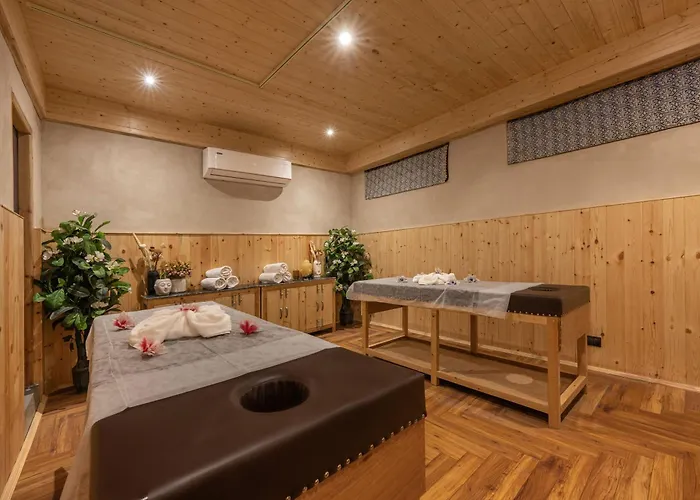
Spa hotels near Manu Temple occupy a distinct niche in Manali's accommodation landscape: they're built for guests who combine sightseeing and trekking with structured recovery. This isn't just about a sauna - properties in this category typically include full treatment menus (Ayurvedic massage, body wraps, steam rooms), in-house restaurants with menu-driven dining, and room configurations with balconies and seating areas suited to longer stays. Spa resorts here start at a noticeably higher price point than standard guesthouses in Old Manali, but the gap reflects tangible infrastructure - heated rooms, fitness centres, and in-room kettles that matter at altitude.
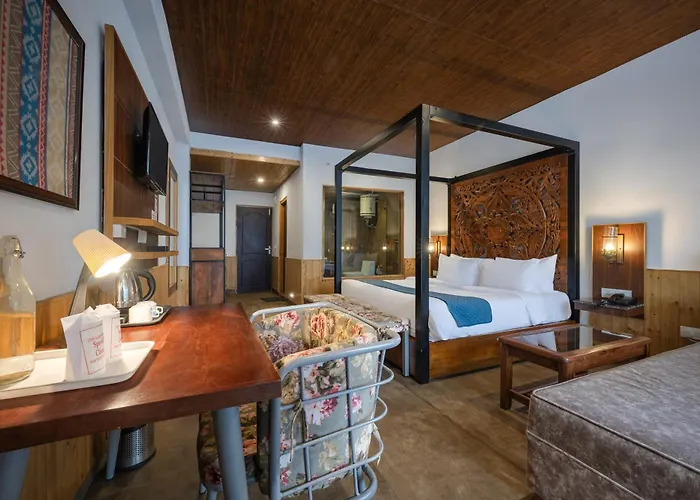
The trade-off is size and setting: these properties tend to sit on larger plots outside the densest part of Old Manali, which means a quieter atmosphere but less spontaneous access to the street-level energy of the temple area. Room sizes in 4-star spa resorts in this corridor average significantly larger than budget lodges, typically including a proper seating zone and private balcony. If you're recovering from a multi-day trek to Beas Kund or Hampta Pass, the investment makes practical sense.
Pros:
- Full wellness infrastructure (Ayurvedic treatments, steam, spa pools) available on-site - no need to seek out external wellness centres in town
- On-site restaurants reduce the need to navigate Manali's roads at night after a full day of activity
- Heated rooms and valley-view balconies provide genuine comfort during cold shoulder-season months
Cons:
- Higher nightly rates compared to Old Manali guesthouses - the spa premium is real
- Most spa properties are resort-format, set back from the road, which reduces walking access to the temple and local market
- Spa treatments may require advance booking during peak season - availability is not guaranteed on arrival
Practical Booking & Area Strategy Near Manu Temple
The most strategic positioning for spa hotels near Manu Temple is along the Old Manali Road and the Naggar Road corridor, where properties sit on elevated terrain above the Beas River. Hotels on this axis combine relative quiet with manageable cab access to the temple (typically under 15 minutes). Properties closer to Mall Road - roughly 5-6 km from Manu Temple - offer better transport connectivity and proximity to Manali Bus Stand, which matters if you're arriving by HRTC bus from Chandigarh or Delhi.
Manu Temple itself is a short uphill walk from the Old Manali Market. Beyond the temple, the Jogini Waterfall trail begins nearby and takes around 2 hours return. The Hidimba Devi Temple - Manali's most visited landmark - is roughly 5-7 km from most properties in this guide, accessible by cab in under 20 minutes. The Tibetan Monastery in Aleo is another key nearby site, reachable in under 10 minutes by vehicle from properties along the Beas River belt. Book at least 6 weeks ahead for May-June and the Dussehra period in October - spa rooms with valley views sell out earliest in these windows, and last-minute rates during peak season run significantly higher than advance pricing.
Best Value Spa Stays
These properties deliver solid spa infrastructure and strong valley positioning at a more accessible price point - suitable for travellers who want wellness facilities without committing to full resort pricing.
-
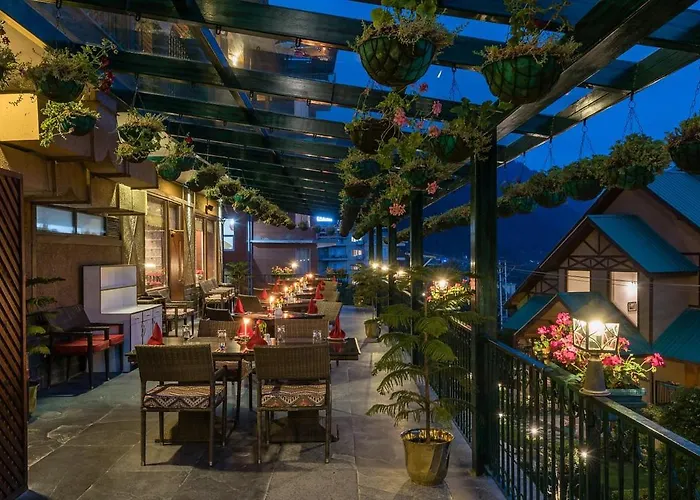
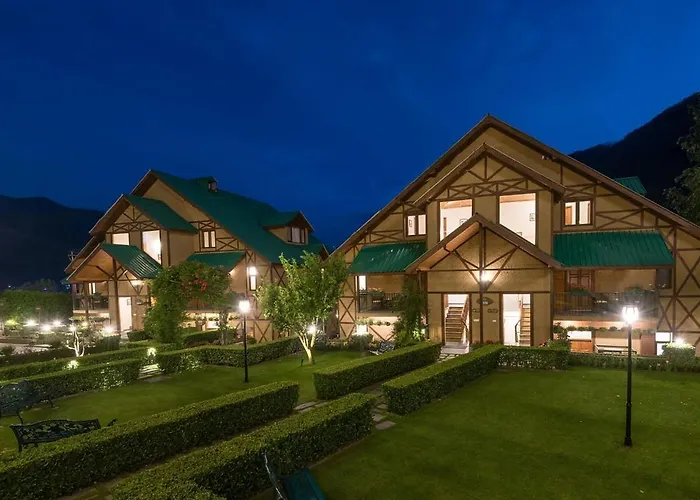
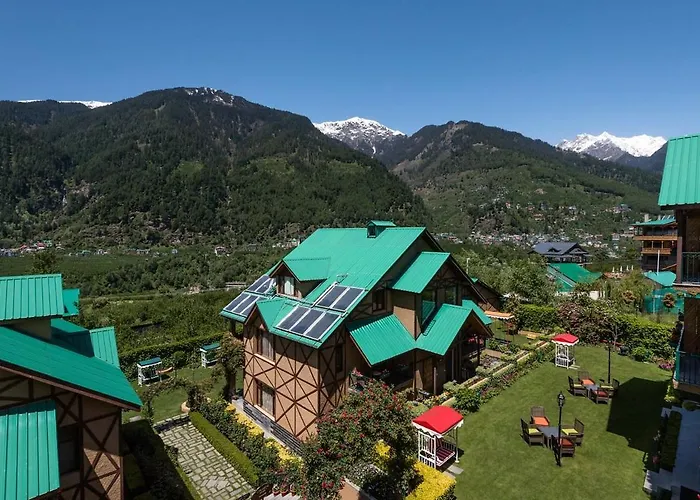
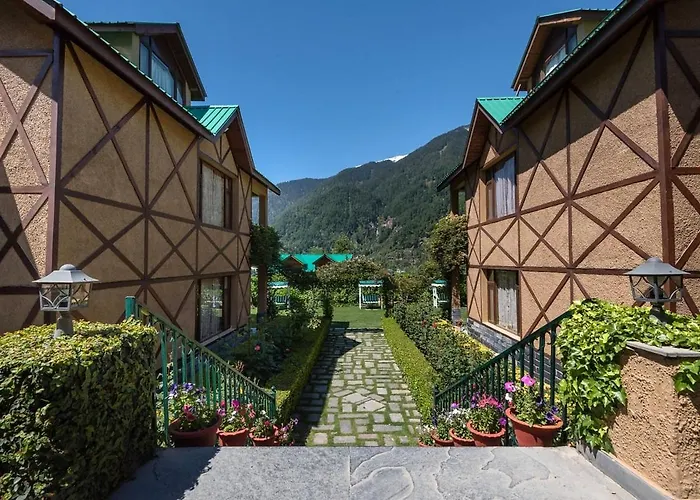
1. The Anantmaya Resort
Show on map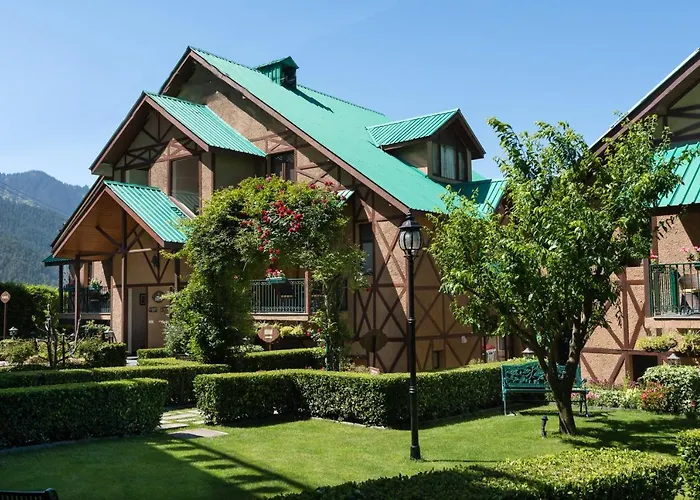
 Check-infrom 14:00 until 23:30Check-outfrom 04:00 until 12:00
Just a few rooms left at the best rate!
fromINR 6033
-
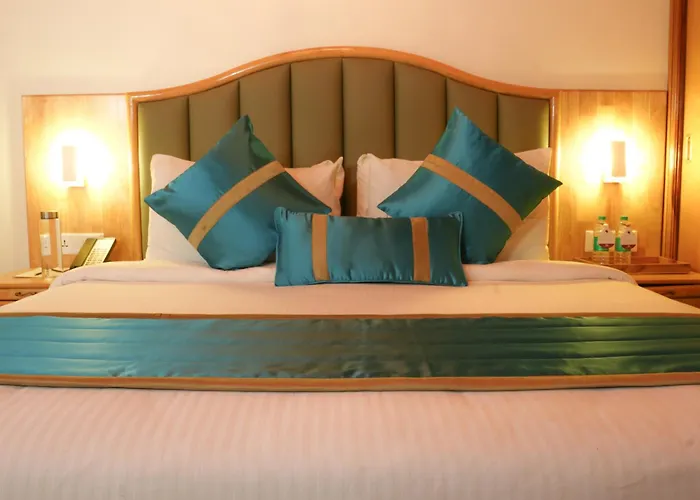
2. Bravia Hotel Manali Inn
Show on map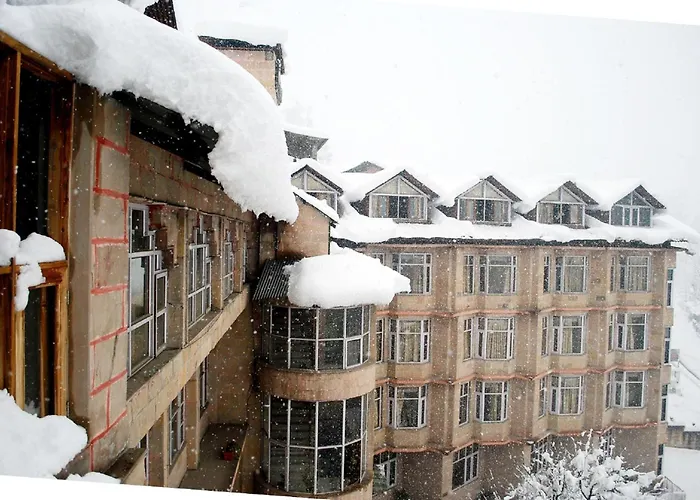
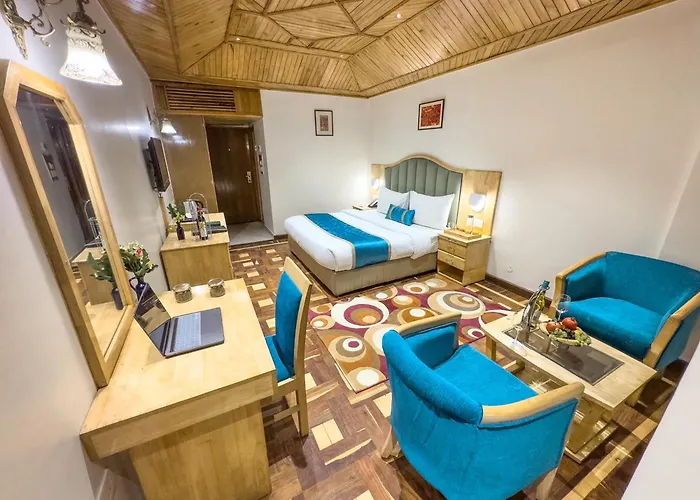
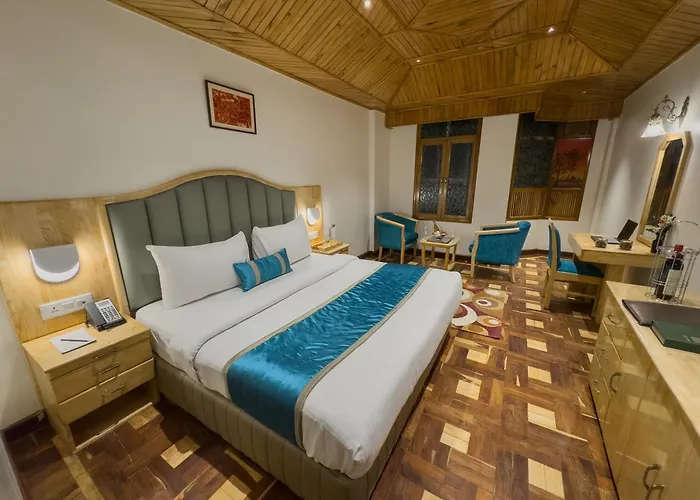
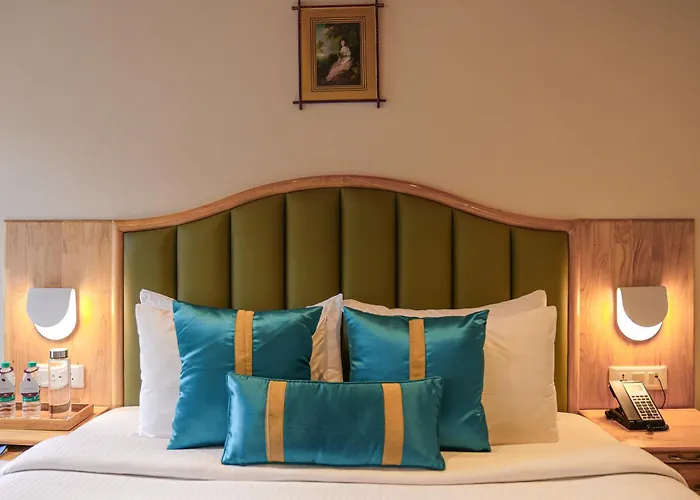 Check-infrom 12:00 until 14:00Check-outfrom 09:00 until 10:00
Just a few rooms left at the best rate!
fromINR 7164
Best Premium Spa Resorts
These resorts operate at a higher tier, with expanded amenities, more polished room finishes, and spa programming suited to multi-night stays built around wellness and mountain recovery.
-
3. Justa Grand View Resort & Spa, Manali
Show on map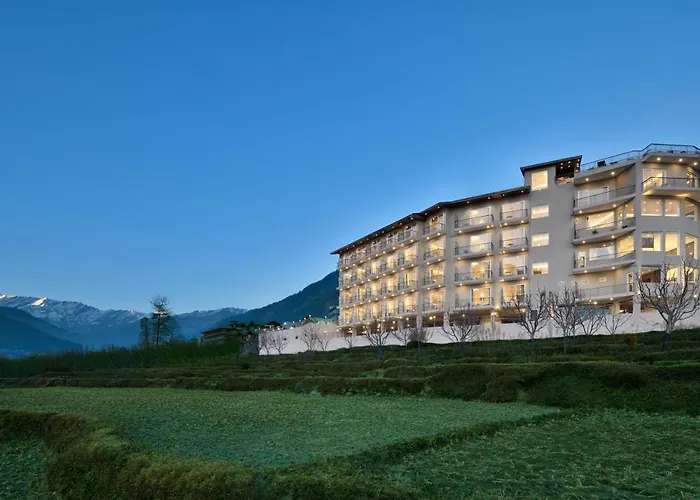
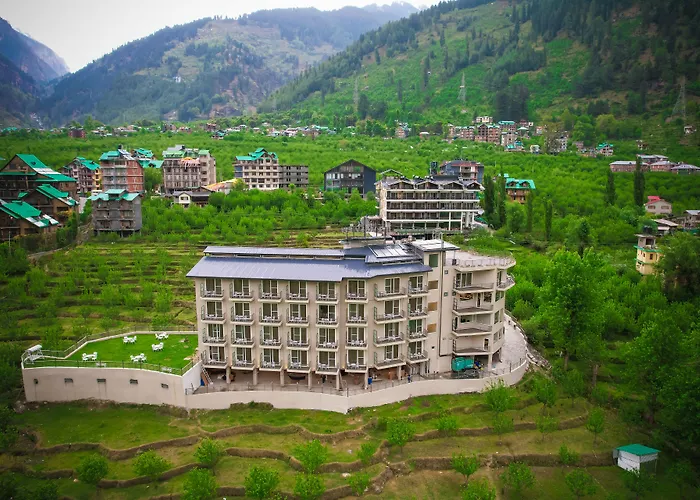
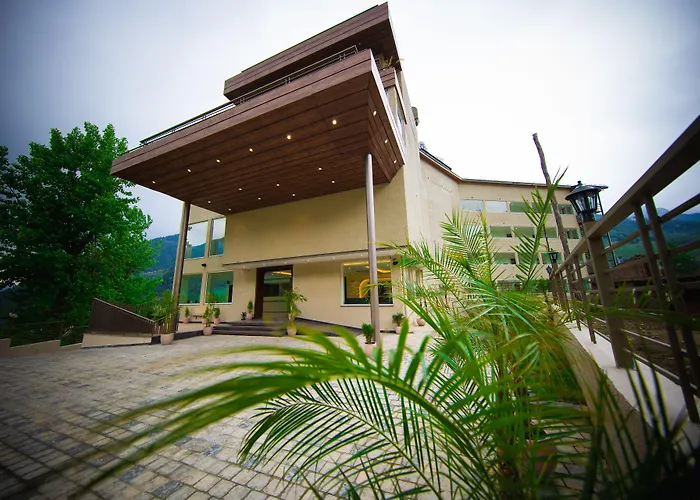
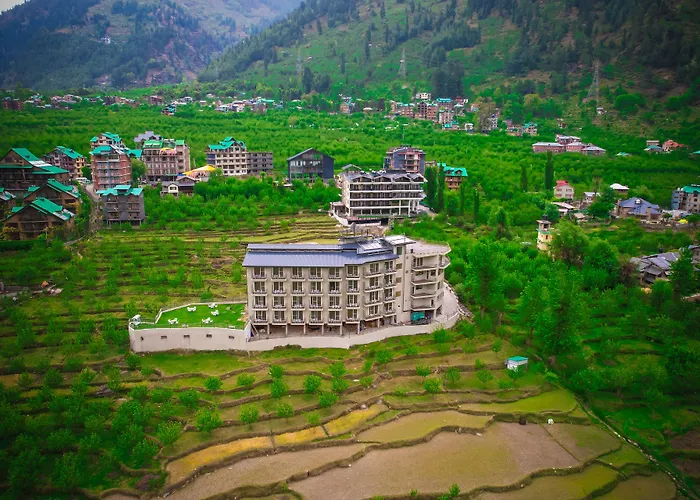
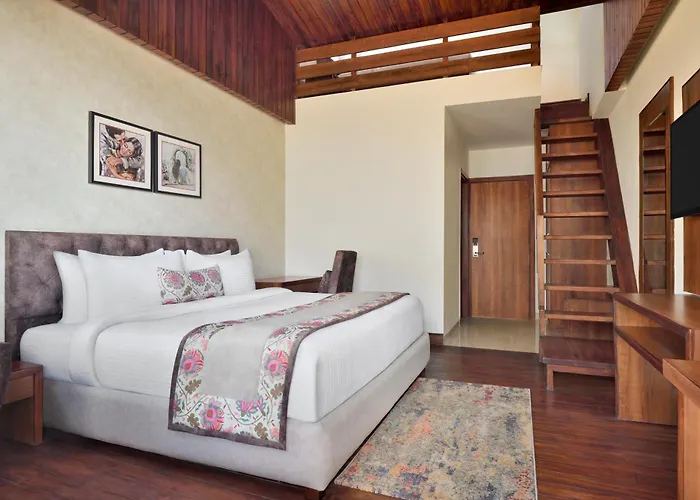 Check-infrom 14:00 until 23:59Check-outuntil 11:00
Hurry – almost gone at this price!
fromINR 4996
-
4. Echor Himalayan Heights Luxe Resort & Spa, Manali
Show on map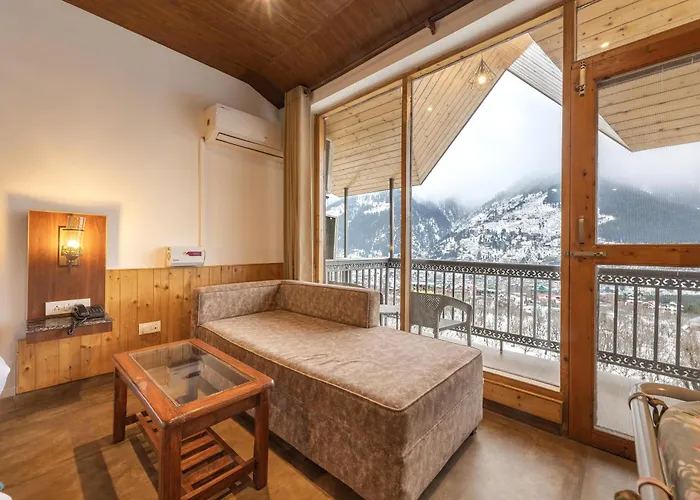
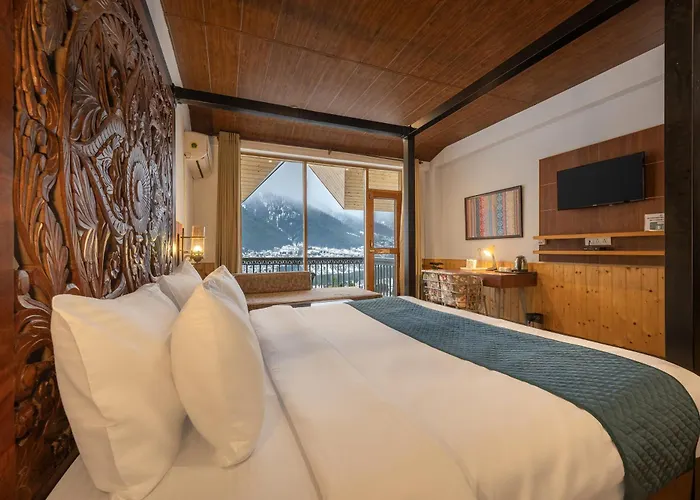 Check-infrom 13:00 until 23:00Check-outfrom 07:00 until 11:00
Rooms filling fast – secure the best rate!
fromINR 5938
Smart Travel & Timing Advice for Manali Spa Hotels
Manali's peak season splits into two distinct windows: the summer rush from late May through early July, and the post-monsoon clarity of October. During both periods, spa rooms with valley or mountain views fill weeks in advance, and rates at 4-star resorts climb noticeably. May and June see the highest occupancy across all spa properties near Manu Temple - families and Delhi-based travellers dominate this window, and road traffic on NH-3 into Manali is at its heaviest.
The shoulder months of March-April and November offer a genuinely different experience: fewer crowds, crisper air, and better availability at lower rates. Winter (December-February) brings snowfall that can make hillside resort access difficult, and some properties partially reduce services. For spa-focused stays, a minimum of 3 nights makes logistical sense - one day to acclimatise, one day for temple and Old Manali exploration, and one day dedicated to spa treatments and rest. Booking 6 weeks ahead for peak season is the practical minimum; for October's Dussehra festival period, even earlier booking is warranted as Manali fills across all accommodation tiers simultaneously.